 Woof Papa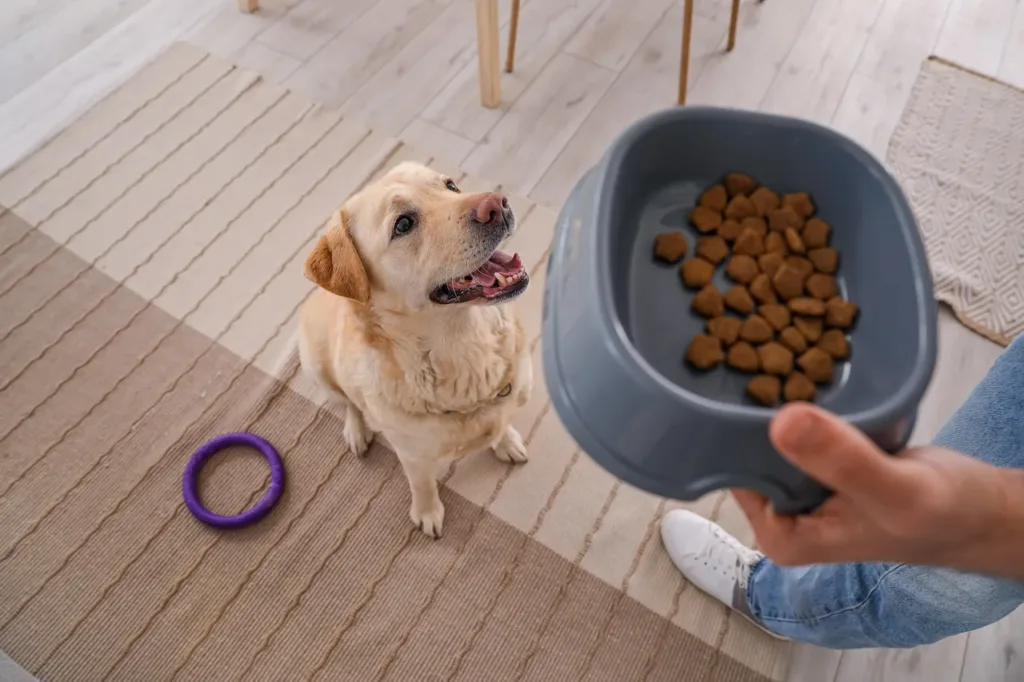
You open the bag, scoop out some kibble, pour it into the bowl, and wonder: is this too much? Not enough? Your dog inhales it in 30 seconds either way, so it’s hard to tell.
Figuring out the right amount of food for your dog doesn’t have to be complicated. But it does depend on more than just picking a number off the back of the bag. Your dog’s weight, age, activity level, and even breed all play a role.
This guide breaks it all down in plain language so you can feel confident at mealtime.
Table of Contents
- Why portion size matters more than you think
- General feeding guidelines by weight
- Factors that change how much your dog needs
- How to tell if you’re feeding too much or too little
- Puppies vs adults vs seniors
- Common mistakes owners make
- FAQ
Why portion size matters more than you think
It’s easy to assume your dog will self-regulate, but most dogs won’t. Given the chance, many would eat until they’re uncomfortable. That’s not greed. It’s instinct.
Feeding too much over time leads to weight gain, joint stress, and a higher risk of conditions like diabetes and heart disease. Feeding too little can leave your dog low on energy, with a dull coat and weakened immune system.
The right amount keeps your dog at a healthy weight, gives them steady energy throughout the day, and supports their overall wellbeing. It’s one of the simplest things you can control as an owner, and it makes a real difference.
General feeding guidelines by weight
Most quality dog food brands include a feeding chart on the packaging. These are a reasonable starting point, but they tend to be on the generous side. Here’s a general daily guideline for adult dogs eating standard dry kibble:
- Up to 5 kg: about 50-100 g per day
- 5-10 kg: about 100-150 g per day
- 10-20 kg: about 150-250 g per day
- 20-35 kg: about 250-350 g per day
- 35-45 kg: about 350-400 g per day
- Over 45 kg: about 400-500+ g per day
These are rough ranges. The exact amount depends on the calorie density of your dog’s specific food, which can vary a lot between brands. A high-calorie kibble might need smaller portions than a lower-calorie one, even for the same dog.
Always check the kcal per 100 g on your food’s label. That number tells you more than the suggested serving size alone.
Factors that change how much your dog needs
Activity level
A Border Collie who runs 10 km a day needs more fuel than a Bulldog who prefers the couch. If your dog is highly active, working, or training regularly, they may need 20-40% more than the standard recommendation. On the flip side, a mostly indoor dog with short walks might need less.
Age
Puppies need more calories per kilogram of body weight because they’re growing fast. Senior dogs often need fewer calories because their metabolism slows down and they’re less active.
Breed and metabolism
Some breeds burn calories faster than others. Small breeds often have faster metabolisms relative to their size. Large and giant breeds grow more slowly and can be prone to weight gain as adults.
Spaying or neutering
After being spayed or neutered, many dogs experience a slight drop in metabolism. If you notice your dog gaining weight after the procedure, reducing portions by about 10-15% often helps.
Health conditions
Dogs with thyroid issues, diabetes, or digestive conditions may have different needs. If your dog has a medical condition, work with your vet to determine the right amount. This is general information and not a substitute for veterinary advice.
How to tell if you’re feeding too much or too little
The best way to check is the body condition score. You don’t need a scale for this, just your hands and eyes.
Healthy weight signs:
- You can feel your dog’s ribs without pressing hard, but they’re not visible
- There’s a visible waist when you look from above
- The belly tucks up slightly when viewed from the side
Signs you might be overfeeding:
- You can’t feel the ribs at all under a layer of fat
- No visible waist or tuck
- Your dog seems sluggish or pants easily on short walks
Signs you might be underfeeding:
- Ribs, spine, or hip bones clearly visible
- Low energy, dull coat
- Constantly searching for food or eating non-food items
If you’re unsure, your vet can do a quick body condition assessment at any routine visit. It takes less than a minute and gives you a clear answer.
Puppies vs adults vs seniors
Puppies (up to 12-18 months)
Puppies need to eat more frequently because their stomachs are small and their energy needs are high. Most puppies do well with three to four meals a day until about 4-6 months, then two to three meals until they reach adulthood.
Use a food specifically formulated for puppies. It has the right balance of calcium, protein, and fat for growing bones and muscles. Large breed puppies need a specific large-breed puppy formula to avoid growing too quickly, which can cause joint problems later.
Adult dogs (1-7 years, depending on breed)
Most adult dogs do well with two meals a day. Some owners prefer once daily, but splitting the food into two portions can help with digestion and energy levels. It also gives your dog something to look forward to twice a day, which isn’t nothing.
Senior dogs (7+ years, or earlier for large breeds)
Older dogs typically need fewer calories but may benefit from food that’s easier to digest and supports joint health. If your senior dog is gaining weight, reduce portions slightly. If they’re losing weight unexpectedly, see your vet. That can sometimes signal an underlying health issue.
Common mistakes owners make
Forgetting to count treats
Treats should make up no more than about 10% of your dog’s daily calories. If you’re doing a lot of training or handing out treats throughout the day, reduce the meal portions to compensate. Those little extras add up faster than you’d think.
Eyeballing portions
Using a measuring cup or kitchen scale makes a big difference. What looks like “about right” can easily be 20-30% too much over time. A small kitchen scale that measures in grams is the most accurate tool.
Not adjusting over time
Your dog’s needs change. A one-year-old who runs everywhere needs different portions than the same dog at seven. Check in every few months. Watch their body condition and adjust as needed.
Feeding based on begging
Some dogs will always act hungry. That doesn’t mean they need more food. If your dog is at a healthy weight and getting the right amount, those pleading eyes are just… very effective communication skills.
FAQ
How many times a day should I feed my dog?
Most adult dogs do well with two meals a day, roughly 12 hours apart. Puppies need three to four smaller meals. Some senior dogs may also prefer smaller, more frequent meals if they have digestive issues.
Should I follow the feeding guide on the bag?
Use it as a starting point, but don’t treat it as gospel. Those guides are based on averages and often slightly overestimate. Adjust based on your dog’s body condition, activity level, and your vet’s advice.
My dog is always hungry. Should I feed more?
Not necessarily. Some dogs are just food-motivated. If your dog is at a healthy weight, the portions are likely fine. If you’re concerned, talk to your vet to rule out medical causes like parasites or metabolic issues.
How do I switch food amounts when changing brands?
Different foods have different calorie densities. When switching brands, check the kcal per 100 g on the new food and recalculate portions. Transition gradually over 7-10 days to avoid stomach upset.
Do I need to feed less in winter or more in summer?
It depends on activity. Dogs who spend more time outdoors in cold weather may burn more calories. Dogs who are less active in hot summer months might need slightly less. Watch their weight and adjust.
Getting your dog’s portion size right is one of those quiet, everyday things that really adds up over a lifetime. You don’t need a complicated formula. Start with the guidelines, watch your dog’s body, adjust when things change, and check in with your vet when you’re not sure. Your dog might not thank you with words, but a healthy weight and steady energy say plenty.