 Woof Papa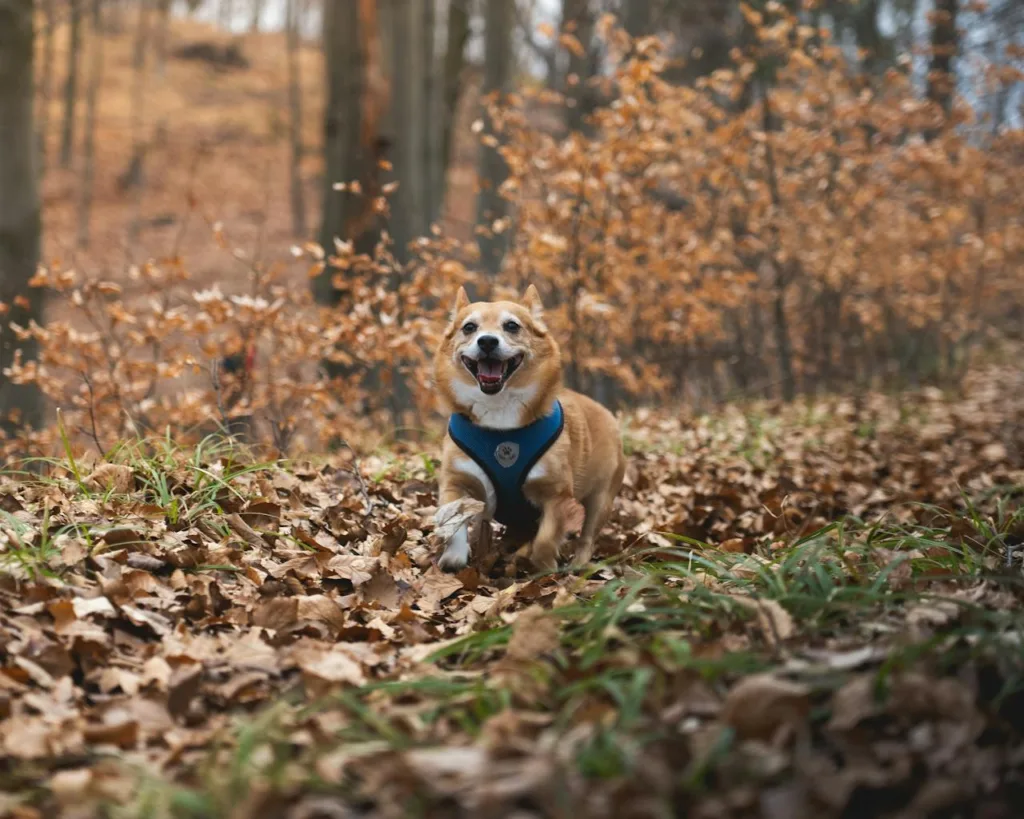
You probably already know when your dog is having a good day. The loose body, the soft eyes, that full-body wiggle when you walk into the room. But here’s the thing: those moments of joy don’t just happen randomly. They’re often the result of small, consistent things you do without even realizing it.
The good news? You don’t need expensive toys, elaborate training sessions, or hours of free time to make your dog’s life better. A few simple daily habits, done with intention, can genuinely shift your dog’s mood, confidence, and overall wellbeing.
Table of Contents
- Why small habits matter more than grand gestures
- Start the morning right
- Let them sniff (really sniff)
- Give their brain something to do
- The power of calm physical touch
- Turn mealtime into something fun
- Keep things predictable
- Wind down together in the evening
- How to tell it’s working
- FAQ
Why small habits matter more than grand gestures
Dogs don’t remember that big trip to the beach three months ago the way we do. What they do respond to is consistency. A predictable rhythm of good moments throughout the day builds a sense of safety and trust that no single big event can replace.
Think about it from your dog’s perspective. They can’t plan their own day. They can’t open the fridge, decide to go for a walk, or choose when to play. Their entire emotional world revolves around what you offer them, and when. Small habits are how you communicate “I see you, and your happiness matters to me” in a language they actually understand.
Start the morning right
How you greet your dog in the morning sets the tone for their whole day. If you rush past them, stressed and distracted, they pick up on that energy immediately.
Try this instead: take 30 seconds when you first see them to give a calm, warm greeting. A gentle voice, a few slow strokes along their side, maybe a quick ear scratch. Nothing dramatic. Just a moment of “hey, I’m glad you’re here.”
For dogs who tend toward anxiety or over-excitement, keep your morning greeting low-key and soothing rather than high-energy. This helps them start the day in a calm state rather than an overstimulated one.
Let them sniff (really sniff)
This one is simple but surprisingly powerful. On at least one walk a day, let your dog lead with their nose. Stop rushing them past every lamppost and bush.
Sniffing isn’t just a bathroom break or a delay to your schedule. For dogs, it’s information gathering, mental stimulation, and stress relief all rolled into one. A 20-minute “sniff walk” where your dog gets to explore at their own pace can be more satisfying than a 40-minute march at your speed.
You don’t need to do this for every walk. But giving them even 10 to 15 minutes of nose-led exploration daily makes a noticeable difference in their calmness and contentment at home.
Give their brain something to do
A bored dog isn’t just destructive. A bored dog is often an unhappy dog. And mental stimulation doesn’t require complicated puzzle toys or training drills.
Here are some easy daily options:
- Scatter a handful of kibble in the grass and let them “hunt” for it
- Hide a treat under one of three cups and let them figure out which one
- Teach one new simple cue per week (even silly ones like “spin” or “touch”)
- Rotate toys so they feel new again every few days
- Let them watch the world from a window or a safe spot in the garden
Even five minutes of brain work can tire a dog out more than a long physical walk. This is especially true for high-energy breeds, senior dogs who can’t exercise as much, and puppies who need structured mental outlets.
The power of calm physical touch
Most dog owners pet their dogs. But there’s a difference between an absent-minded pat on the head and intentional, calming touch.
Try slow, long strokes along your dog’s back or sides. Gentle ear rubs. A light massage around the base of the neck or along the jaw. Pay attention to how your dog responds: do they lean in, soften their eyes, or sigh? Those are signs they’re genuinely enjoying it.
A few minutes of this kind of touch, especially during quiet moments at home, can lower your dog’s heart rate, reduce cortisol levels, and strengthen your bond. It works for anxious dogs, energetic dogs, and calm dogs alike.
One thing to keep in mind: not every dog likes being touched in the same way or at the same times. Respect their signals. If they move away, stiffen, or turn their head, give them space.
Turn mealtime into something fun
Eating from a bowl takes most dogs about 45 seconds. That’s a missed opportunity. Mealtime is one of the highlights of your dog’s day, so why not stretch it out a little?
Some easy ways to do this:
- Use a snuffle mat or slow feeder
- Spread wet food on a lick mat and freeze it
- Scatter dry food across a towel and roll it up loosely
- Stuff a Kong with their meal and let them work for it
This isn’t about making their life harder. It’s about tapping into their natural instinct to work for food, which gives them satisfaction and focus. Most dogs genuinely enjoy the process of earning their meal.
Keep things predictable
Dogs thrive on routine. Knowing when they’ll eat, walk, play, and rest gives them a sense of control over their environment, even if they can’t tell time.
You don’t need a rigid minute-by-minute schedule. But keeping the general flow of the day consistent (morning walk, midday rest, afternoon play, evening meal) helps dogs feel secure. This is especially important for rescue dogs, anxious dogs, and puppies still learning what to expect from the world.
When routines have to change, try to keep at least one or two “anchor points” the same. Maybe dinner is always at roughly the same time, or the evening walk always happens before you settle in for the night.
Wind down together in the evening
Dogs mirror our energy more than we realize. If your evenings are chaotic, your dog may struggle to settle. But if you create a calm end-of-day routine, they’ll often follow your lead.
This could look like a short, slow walk after dinner. A quiet chew session with a long-lasting treat. Or simply sitting together while you read or watch something, with your hand resting gently on their side.
The key isn’t what you do. It’s the consistency and the calm. Over time, your dog learns that evenings are for resting, and they’ll start settling more easily on their own.
How to tell it’s working
Dogs can’t say “thanks, that made my day better.” But they show it clearly if you know what to look for:
- A loose, wiggly body when they see you
- Soft, relaxed eyes (not wide or darting)
- Play bows and bringing you toys
- Settling calmly after activity instead of pacing
- A wagging tail held at a relaxed, mid-level height
- Choosing to be near you, even when they don’t “need” anything
You might not see changes overnight. But after a week or two of consistent small habits, most owners notice their dog seems more relaxed, more connected, and just generally more content.
FAQ
How long does it take to see a difference in my dog’s mood?
Most owners notice subtle changes within a week or two. Dogs respond quickly to consistent positive routines, though anxious or recently adopted dogs may take a little longer to fully relax into new patterns.
Do I need to do all of these every day?
Not at all. Even picking two or three of these habits and doing them consistently will make a difference. The key is regularity, not perfection.
My dog is older and doesn’t move much. Will these still help?
Absolutely. Senior dogs benefit hugely from gentle touch, mental stimulation, food enrichment, and predictable routines. You can adapt everything to their energy level and physical abilities.
Can these habits help with behavioral problems?
They can support overall wellbeing, which often reduces stress-related behaviors like excessive barking, chewing, or restlessness. However, if your dog shows signs of aggression, severe anxiety, or fear-based behavior, it’s worth consulting a qualified trainer or behaviorist alongside these daily habits.
What if my dog doesn’t seem interested in puzzle toys or enrichment?
Start simple. Some dogs need to learn that working for food is fun. Try scattering kibble on the floor first, then gradually increase the difficulty. If they’re still uninterested, focus on sniff walks and calm bonding time instead. Every dog is different.