 Woof Papa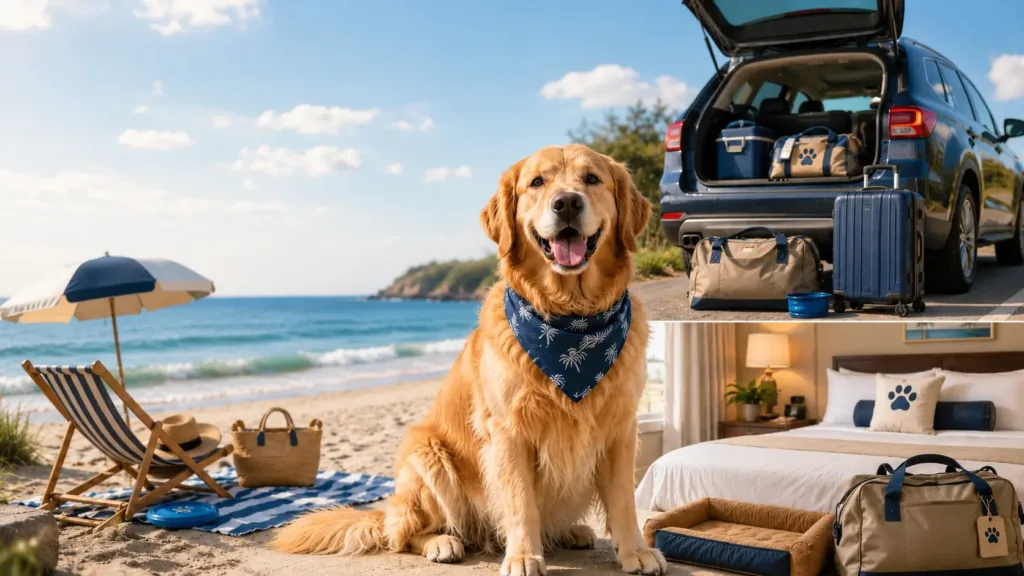
You know that hopeful feeling when you start planning a summer break, then immediately wonder, “Can my dog come too?” Sometimes the answer is an easy yes. Sometimes it is a maybe, with a long packing list and a little honest thinking first. A dog-friendly holiday can be lovely, but it usually goes best when the plan fits the dog, not just the destination.
This guide is general information for dog owners planning summer travel. If your dog has a health condition, struggles with anxiety, gets car sick often, or has had heat-related problems before, it is a good idea to check with your veterinarian before the trip.
Table of Contents
Is your dog ready for a summer vacation?
Not every dog enjoys travel, and that is completely okay. Some dogs love new places, new smells, and being close to their people all day. Others feel stressed by long drives, busy beaches, unfamiliar buildings, or changes in routine.
Before booking anything, think about your dog as an individual. Age matters. A healthy adult dog may handle a road trip well, while a puppy may struggle with bladder control, overtiredness, and overstimulation. A senior dog may find long walks on hot sand or repeated car transfers tiring. Breed and body type matter too. Flat-faced dogs, such as French Bulldogs, Pugs, and Bulldogs, can be more sensitive to heat and breathing stress. Very small dogs can get chilled in aggressive air conditioning, while giant breeds may have trouble fitting comfortably in smaller hotel rooms or cars.
Temperament matters just as much. Ask yourself a few honest questions. Does your dog settle well in new places? Can they rest quietly after activity? Are they comfortable around strangers, children, traffic noise, or other dogs? If your dog becomes fearful, reactive, or overwhelmed in busy environments, a packed summer destination may not feel like a holiday to them.
A good trip for a dog is not the most exciting one on social media. It is the one where they can stay safe, rest properly, and still feel like themselves.
What to do before you leave home
A smoother trip usually starts a few days before departure. Check that your dog’s identification tag is current and easy to read. If your dog is microchipped, make sure the contact details are up to date. This is one of those tiny tasks that feels boring until it suddenly becomes very important.
It also helps to look at the daily rhythm of your trip before you go. Will your dog be alone in a hotel room at any point? Is the beach dog-friendly all day, or only during certain hours? Are there shaded walking routes nearby? Is there a quiet place for toilet breaks? Many problems on holiday come from small details that are easy to miss during the fun part of booking.
If your dog is new to travel, do a few practice runs. Try a shorter drive. Visit a quiet outdoor café. Spend a little time in an unfamiliar place, then come home before your dog gets overstimulated. This gives you a clearer sense of what your dog can handle, and it gives your dog a chance to learn that unfamiliar does not always mean scary.
Bring familiar comforts too. A usual blanket, their bed, a favourite toy, and their normal food can make a strange place feel much less strange.
How to enjoy beach days safely
Beach days sound dreamy, and sometimes they really are. Your dog trots along the shore, the sea breeze kicks in, everyone looks happy, and for ten minutes it feels like you have mastered life. Then your dog tries to drink salty water, steals someone’s sandwich, and lies down in the hottest patch of sand. Beach time with dogs is fun, but it asks for more attention than many owners expect.
Choose the right time of day
In summer, early morning and later evening are usually much kinder than midday. Sand can get very hot, and so can pavements on the walk to and from the beach. If it feels too hot for your hand or bare foot, it is too hot for paws. Dogs with thick coats, dark coats, flat faces, or low heat tolerance need extra caution.
Make shade and water non-negotiable
Always bring fresh water and a bowl, even if there is water nearby. Sea water is not safe for drinking, and many dogs will gulp it when excited. Too much salt water can cause stomach upset and, in some cases, more serious illness. A beach umbrella, shade tent, or naturally shaded spot can make a huge difference, especially if your dog tends to keep going long after they should have rested.
Watch the sand, sea, and surroundings
Some dogs adore water. Others rush in once and then spend the rest of the visit reconsidering their life choices. Let your dog approach the water at their own pace. Do not force swimming. Watch for strong waves, currents, dropped fishing gear, sharp shells, and crowded areas where dogs can feel trapped or overstimulated.
Rinse your dog off after swimming if you can, especially if they have sensitive skin or a longer coat. Salt, sand, and trapped moisture can irritate skin and paw pads. Check ears, paws, and the area under the tail when you get back.
Know the signs your dog has had enough
Heavy panting, slowing down, seeking shade, drooling more than usual, wobbliness, vomiting, or seeming confused are all signs to take seriously. Move your dog to a cooler area, offer water, and stop the activity. If symptoms are sudden, severe, painful, recurring, or unclear, contact a veterinarian as soon as possible.
How to make road trips easier
A good dog road trip usually feels a little boring, and that is actually a compliment. Calm, safe, predictable travel is the goal.
Secure your dog properly in the car
Your dog should not roam freely inside the vehicle. A secured crate, a well-fitted crash-tested harness, or another safe travel restraint helps protect both your dog and the people in the car. It also reduces distraction for the driver, which matters more than people sometimes admit.
Plan for breaks, not just arrival
Many dogs do better with regular stops for water, sniffing, stretching, and toilet breaks. The exact timing depends on your dog’s age, health, and comfort, but a break every 2 to 3 hours is a helpful starting point for many adult dogs. Puppies, seniors, and dogs with medical issues may need more frequent stops.
Rest stops are not just practical. They help lower tension. A dog who has had a sniff, a drink, and a quiet moment often gets back in the car in a much better state of mind.
Keep the car cool, but not icy
Ventilation matters a lot in summer. Aim for a comfortably cool car, and never leave your dog alone inside a parked vehicle, even briefly. Temperatures can rise fast. What feels like “just a minute” to a human can become dangerous very quickly for a dog.
Feed lightly if your dog gets car sick
Some dogs travel better if they do not eat a large meal right before departure. If your dog often drools, vomits, whines, or seems distressed in the car, talk to your veterinarian before a longer journey. Car sickness and travel anxiety are common, and it is worth getting proper guidance rather than hoping it will magically go away on the motorway.
How to handle hotel stays with your dog
Hotels can be one of the trickiest parts of travelling with a dog. From your point of view, it is a room. From your dog’s point of view, it is a new box full of strange smells, hallway noises, lift sounds, footsteps, doors clicking, and people walking past at unpredictable times.
Pick a genuinely dog-friendly place
There is a difference between “dogs allowed” and “dogs welcomed.” Look for hotels that clearly explain their pet policy. Check whether dogs can be left alone in rooms, whether there are size limits, whether there is outdoor space nearby, and whether extra fees apply. Ground-floor rooms or rooms near an easy outdoor exit can make life much simpler.
Help your dog settle fast
When you first enter the room, keep things calm. Let your dog sniff. Put out water. Set up their bed or blanket right away, and keep your own energy steady. Many dogs relax faster when the room starts to smell a little like home.
It also helps to give your dog one simple job, such as settling on a mat, chewing a safe long-lasting treat, or resting beside you while you unpack. Quiet routines give nervous dogs something to hold onto.
Be realistic about barking and alone time
If your dog barks at corridor noises at home, they may bark even more in a hotel. White noise on your phone, a familiar blanket near the door area, and enough exercise before bedtime may help. But if your dog cannot settle alone in unfamiliar places, do not plan a holiday built around leaving them in the room while you go out for long dinners or day trips.
This is where many owners accidentally create stress for their dog and stress for themselves. A dog-friendly holiday usually works best when the dog is included in most of the plan, not fitted awkwardly around it.
What to pack for your dog
Packing for a dog is less about bringing everything and more about bringing the right familiar essentials. Think comfort, safety, routine, and cleanup.
- Lead and backup lead
- Harness or collar with updated ID tag
- Food for the full trip, plus a little extra
- Water and portable bowl
- Bed or blanket from home
- Towels for wet paws and sandy coats
- Poo bags
- Favourite toy or chew
- Any usual grooming items
- Medication if already prescribed by your veterinarian
- Copies of vaccination or booking documents if needed
If your dog has allergies, digestive sensitivity, or a very specific routine, try not to change too many things at once. A holiday is already a lot of novelty. Keeping meals, sleep cues, and comfort items familiar can prevent many avoidable problems.
When it may be better not to bring your dog
This part can feel disappointing, especially if your dream holiday includes your dog in every photo. But sometimes the kindest choice is not bringing them.
If the destination is extremely hot, the schedule is packed, the beach is crowded, the hotel is noisy, or your dog becomes anxious in new environments, staying with a trusted sitter, family member, or quality boarding option may be the better experience. The same goes for dogs recovering from illness, very young puppies, frail seniors, or dogs with serious behaviour concerns.
There is no prize for making a dog tolerate a holiday they did not want. The goal is not to prove your dog can come everywhere. The goal is to make good decisions for the dog in front of you.
A calmer, happier kind of summer trip
The best dog-friendly summer holidays usually do not look perfect. They look flexible. Maybe the beach visit is shorter than planned. Maybe you choose takeaway over a restaurant because your dog is tired. Maybe the biggest win of the day is not the view, but the fact that your dog settled peacefully in a new room and woke up relaxed the next morning.
That still counts as a lovely trip.
With a bit of planning, honest expectations, and attention to your dog’s comfort, beach days, road trips, and hotel stays can be enjoyable for both of you. The sweet spot is simple: keep your dog safe, keep the routine steady where you can, and let their needs shape the pace of the holiday.
FAQ:
Can all dogs go on a beach holiday?
Not always. Some dogs love the beach, while others struggle with heat, noise, crowds, or the unpredictability of waves. Puppies, senior dogs, flat-faced breeds, and dogs with health issues may need extra care or a different kind of trip.
How often should I stop on a road trip with my dog?
Many adult dogs do well with a break every 2 to 3 hours, but it depends on the dog. Puppies, seniors, and dogs with medical needs may need more frequent stops for water, toilet breaks, and a short stretch.
Is it okay to leave my dog alone in a hotel room?
That depends on the hotel policy and your dog’s temperament. Some dogs settle fine for short periods, but many become stressed in unfamiliar environments and may bark, panic, or try to escape. It is best not to assume your dog will cope well without preparing for it.
What are signs my dog is too hot on holiday?
Watch for heavy panting, unusual drooling, slowing down, weakness, vomiting, confusion, or collapse. If your dog shows severe or worrying symptoms, seek veterinary help right away.
Should I let my dog drink sea water?
No. Bring fresh water and offer it often. Drinking sea water can upset your dog’s stomach and may cause more serious problems if they ingest too much.